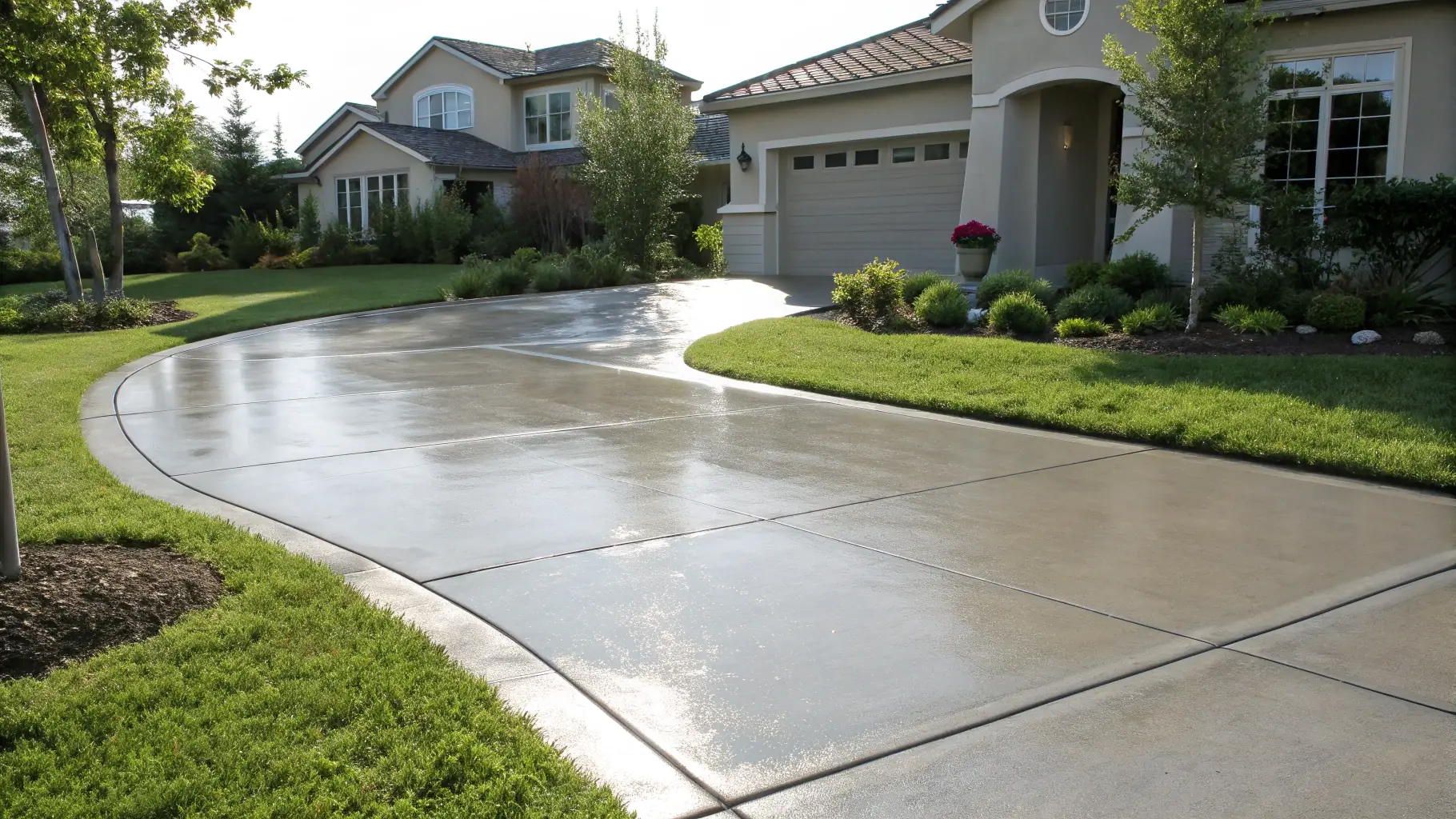
Driveways are often the first impression of a home, and a clean driveway can make a big difference. Power washing is a great way to keep your driveway looking its best, but it’s important to use the right techniques to avoid damaging the surface. Using too much pressure can damage the concrete or asphalt, leading to costly repairs. Always start with a lower pressure setting and gradually increase it as needed. Using a suitable cleaning solution can also help to remove stubborn stains and dirt. Before you start power washing, it’s essential to assess the condition of your driveway. Look for any cracks, chips, or other damage that might be exacerbated by the pressure of the water. If you find any significant damage, it’s best to address it before power washing. Also, be sure to protect any landscaping or plants around the driveway from the spray of water. Using a nozzle attachment can help to focus the water stream and avoid spraying areas you don’t want to clean. Once you’ve prepared the area, you can begin power washing. Work in sections, starting from the top and moving down. Use overlapping strokes to ensure that all areas are cleaned thoroughly. Pay close attention to any stubborn stains or dirt. If necessary, use a cleaning solution to help remove the dirt. After power washing, rinse the area thoroughly with clean water to remove any residue.

Power Washing Your Siding: A Step-by-Step Guide
Learn how to power wash your siding safely and effectively to maintain its appearance and